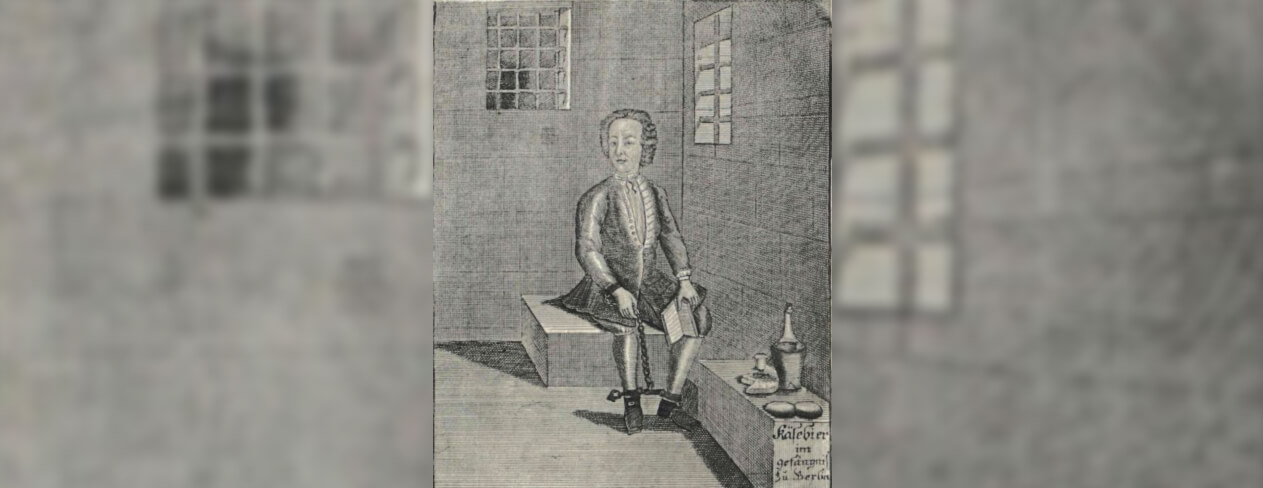
Every now and then, a mysterious side figure slips into the narrative – Käsebier. Even the name, meaning Cheesebeer, sounds peculiar enough. Yet he was a real historical person – Christian Andreas Käsebier (c. 1710 – after 1757), the son of a tailor who rose to notoriety as a thief, burglar, and leader of a criminal gang. He was said to have avoided violence against his victims, relying instead on clever disguise, audacious deceit, and gallant manners – traits that earned him the reputation of a sort of folkloric celebrity.
After several shorter imprisonments, Käsebier was finally sentenced to life. From prison, he was recruited into the intelligence service of Frederick II of Prussia. In May 1757, he is said to have smuggled himself several times into besieged Prague – but on one such attempt he vanished, and his further fate remains unknown.
In this chapter, young Archduchess Amalia appears with a big, shaggy rag doll she has cheerfully named “the most fearsome robber and spy Käsebier.” I found myself wondering which pronoun to use – he or it? The reader may judge how successfully I have solved the dilemma. I dare say, Käsebier himself would have been delighted to remain untraceable even by grammar.
Access to the Metatext via placing an order for an augmented product. See Terms of Use
We use cookies to ensure that we give you the best experience on our website. If you continue to use this site we will assume that you are happy with it.