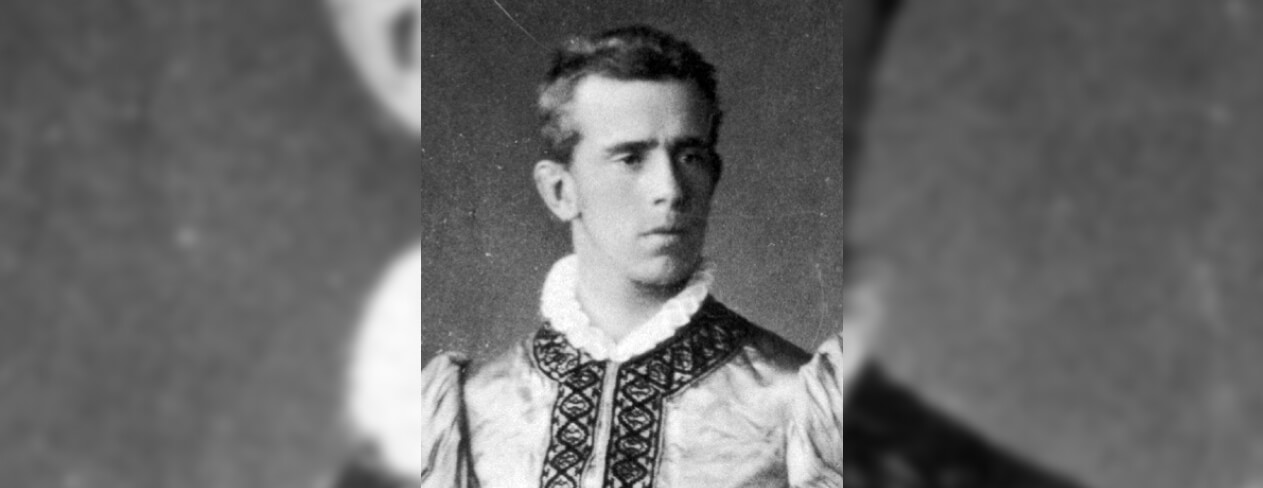
A shocking scene was discovered in the small hunting lodge of Mayerling on the morning of 30 January 1889: the bodies of Crown Prince Rudolf of Austria and the teenage Baroness Mary Vetsera were found dead. Both had been shot.
Thirty-one-year-old Rudolf — an intelligent but emotionally deeply troubled young man — had long suffered from severe depression. Liberal in his views, he was mistrusted and deliberately kept away from governmental responsibilities by his conservative father, Emperor Francis Joseph. The distant Empress Elisabeth, the beauty icon of her time, struggled with mental problems herself and was unable to support her sensitive son. Towards his wife, Stephanie of Belgium, Rudolf remained emotionally indifferent. Failing to find love or understanding and suffering from fragile health, the Crown Prince sought consolation in a self-destructive lifestyle of alcoholism and promiscuity. Several pieces of evidence suggest that his decision to take his own life was not a spontaneous impulse, but one he had been contemplating for some time.
The motives of seventeen-year-old Baroness Mary Vetsera in sharing the fate of her lover are harder to assess. An unhealthy romantic ideal of “true love” is the most common explanation. However, her involvement in the incident was deliberately downplayed by the authorities as much as possible.
Rudolf’s death left the Empire without an immediate heir apparent and disrupted the natural line of succession. After several further deaths among the closest male relatives, Francis Joseph’s great-grandnephew, Charles I, eventually succeeded to the throne in 1916, becoming the last Emperor of Austria.
Access to the Metatext via placing an order for an augmented product. See Terms of Use
We use cookies to ensure that we give you the best experience on our website. If you continue to use this site we will assume that you are happy with it.