As the perceptive reader may guess, the anticipated departure from the Hofburg is about to alter Archduchess Marianne’s daily routine.
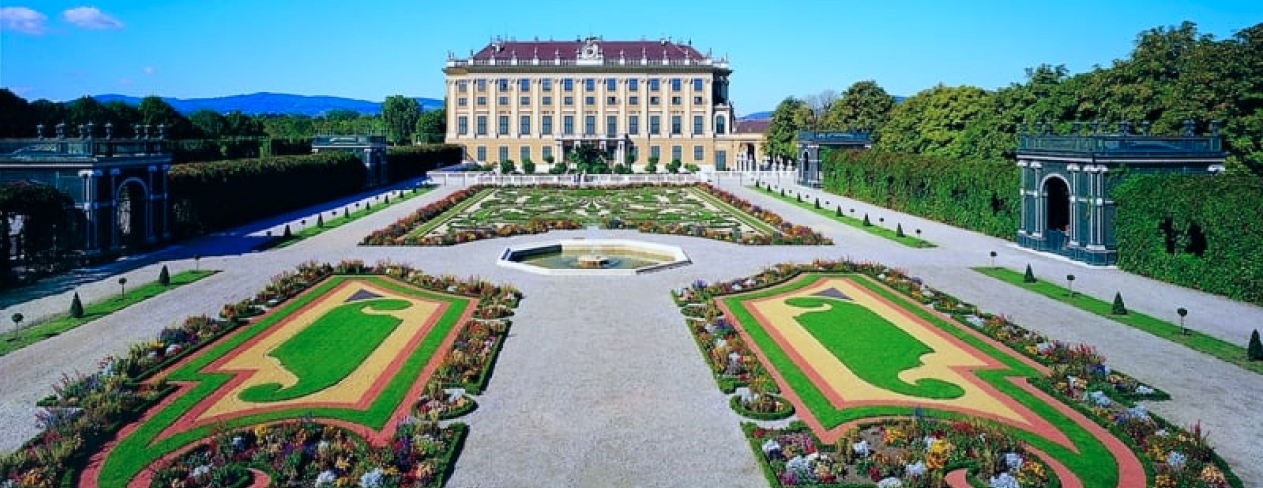
The change of residence in itself was nothing exceptional in noble circles — least of all at the Imperial court, which regularly alternated between the palaces of the Hofburg and Schönbrunn. The latter became comparable to Versailles only after 1746, when extensive reconstruction work had been completed to accommodate the growing Imperial family. However, the court resided there only during the summer season, usually from April to November. For the remainder of the year — which included the principal liturgical holidays from Christmas to Easter — the court remained at the Hofburg.
Smaller and more modest residences suitable for a reduced court included Neugebäude, Laxenburg, Ebersdorf, Halbturn, and others, all within convenient reach of Vienna. This arrangement suited the Empress well, as she was not an enthusiastic traveller and was content to remain in the immediate vicinity of the city. Around 1760, the Imperial court numbered approximately 1,500 persons (servants included). The costs of horses, stables and carriages accounted for roughly twenty per cent of the annual court budget.
Access to the Metatext via placing an order for an augmented product. See Terms of Use
We use cookies to ensure that we give you the best experience on our website. If you continue to use this site we will assume that you are happy with it.