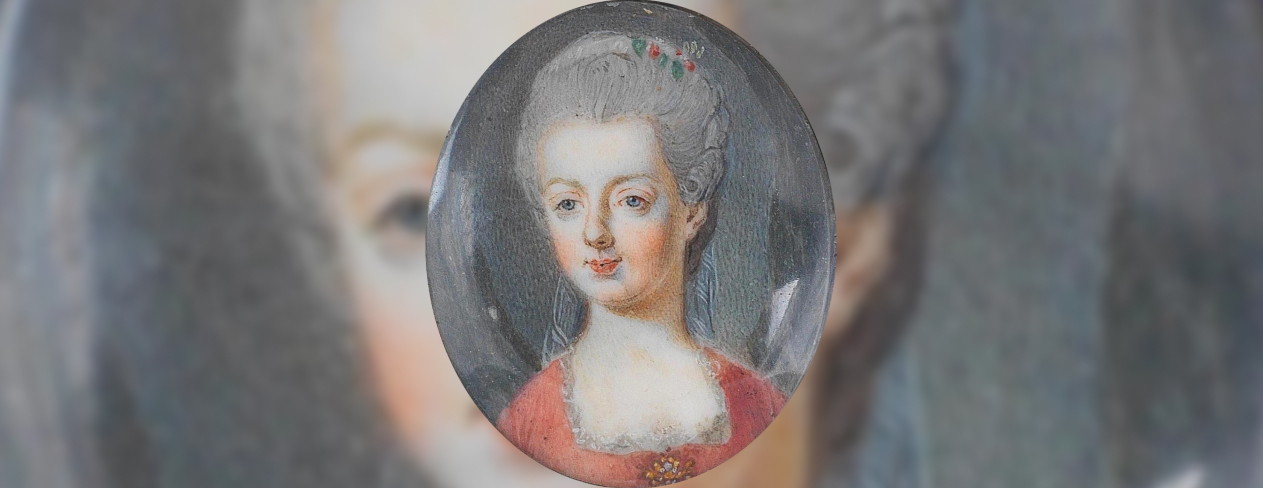
Throughout the narrative, I have been sketching Archduchess Marianne’s psychological portrait and her strenuous family relations. This chapter brings that subject fully into focus. In the presence of her confessor, she pours out all the anxiety that has gathered in her heart.
At first glance, one might consider this a minor sideline with no direct relevance to her investigation. On second thought, however, every mystery—whether modern or historical—depends profoundly on the protagonist’s personality and on their personal and social connections. As human beings, we draw both strengths and weaknesses from our closest relationships, and imperial princesses are no exception.
Yet as saturated as we are with modern psychology, can we truly say anything meaningful about the individual mentality of the pre-Freudian era? Surely, people then experienced the same palette of emotions as we do today. Only the impulses that triggered those emotions differed greatly, as did their reactions to and explanations for external stimuli.
At the same time, modern authors write for modern readers who expect dynamic, developing characters ripe for inner change and growth. Which means that my interpretation of Marianne’s outburst of emotion is, inevitably, a compromise between historical truthfulness and modern expectations.
Access to the Metatext via placing an order for an augmented product. See Terms of Use
We use cookies to ensure that we give you the best experience on our website. If you continue to use this site we will assume that you are happy with it.