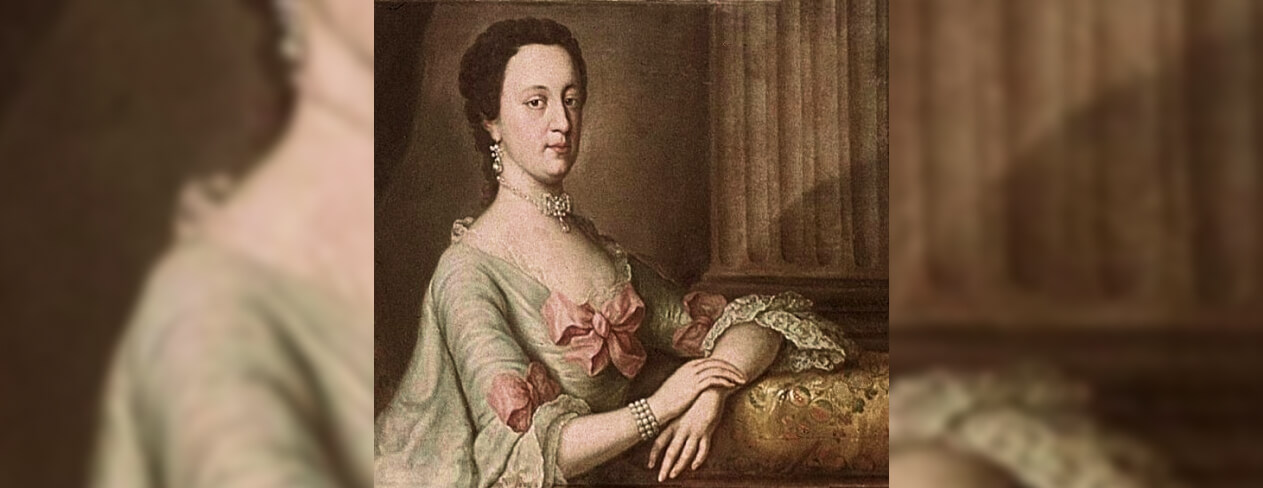
Among all her relatives, Archduchess Marianne felt closest to her paternal aunt, Anne Charlotte, the Emperor’s younger sister. The Princess had spent her rather monotonous youth with her ailing mother, the Dowager Duchess of Lorraine. Owing to the political situation, the family failed to find her a suitable husband, despite several attempts.
After the Duchess’s death, Anne Charlotte joined her brother’s court in Vienna, where she befriended her niece. Quiet and serious by nature, she could not accustom herself to the pomp and formality of court life and decided instead to settle in Brussels, accepting the position of secular Princess-Abbess of the prestigious Remiremont Abbey for noble ladies. Single, educated, and financially independent, she became for her niece Marianne a model of an emancipated and intellectually self-assured princess. The parallels between their lives and characters were indeed remarkable – so much so that, were I in search of another protagonist, Anne Charlotte would be the strongest candidate.
Marianne deeply regretted the absence of her beloved aunt but found consolation in their correspondence. A long-awaited letter from Brussels gives her a slight shock – Countess Althann, a completely new name emerges! – and makes her eager to find out more about this unexpected lead.
Access to the Metatext via placing an order for an augmented product. See Terms of Use
We use cookies to ensure that we give you the best experience on our website. If you continue to use this site we will assume that you are happy with it.