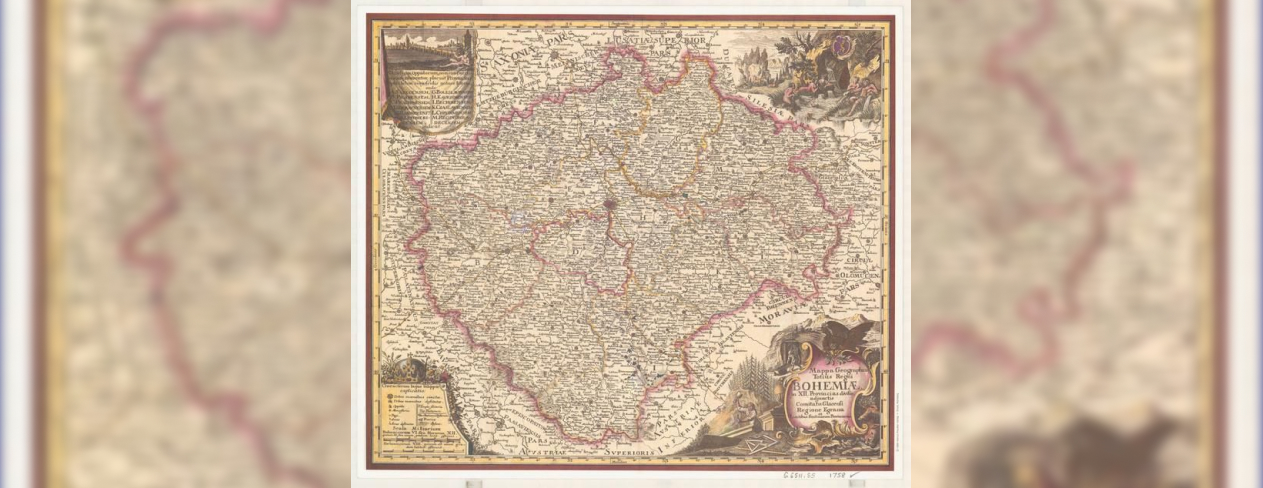
The logic of the narrative requires Archduchess Marianne to come slowly to an understanding of how receptive people could be to superstition. Without this, the nature of the gossip surrounding Princess Schwarzenberg — and the broader reactions to her behaviour — would remain incomprehensible. Once again, the educated and trusted Father Franz is the best informant, introducing her to historical Bohemia, the region that forms the backdrop to Princess Schwarzenberg’s case.
The Kingdom of Bohemia was one of the wealthiest and most strategically important estates of the Habsburgs. During the religious unrest of the 16th and 17th centuries, Bohemia was strongly inclined towards Protestantism. The Catholic emperors firmly supported the Counter-Reformation led by the Jesuits, although a degree of religious freedom had to be granted to the Reformed confession. The violation of that agreement catalysed the Thirty Years’ War (1618–1648), which raged mainly in the German lands with horrifying effect. Gangs of plunderers and marauders devastated large areas; starvation and epidemics decimated the population. As a result of the war, the country became a hereditary kingdom of the Habsburgs.
Predictably, the Bohemian aristocracy did not welcome the new situation. In the mid-18th century, their reluctance to accept the accession of Maria Theresa contributed to the War of the Austrian Succession (1740–1748) and the loss of the wealthy province of Silesia. After the war, the Bohemian nobility attempted to resist the reform programme initiated by the Empress.
Access to the Metatext via placing an order for an augmented product. See Terms of Use
We use cookies to ensure that we give you the best experience on our website. If you continue to use this site we will assume that you are happy with it.