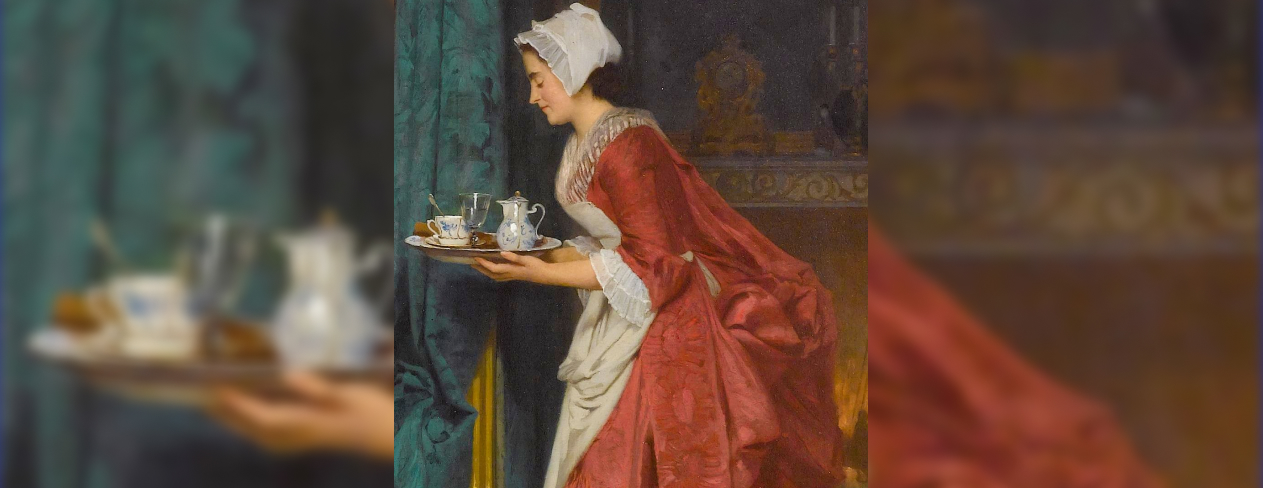
Archduchess Marianne has noticed a gap in the document and begins to consider how she might plausibly explain it. More generally, this reflects the twofold methodological problem that runs throughout the plot: first, how she becomes aware of a source or witness; and second, how she gains access to that source or witness.
The variety of sources ranges from administrative documents to private correspondence, each demanding its own grounded mode of approach. An academic text, for example, is unlikely to be obtained through the same channels as a medical report. Written sources merge with oral testimony from eyewitnesses, and here the variety is even greater — spanning different social ranks and age groups, persons physically present or absent, living or deceased, and so on. It is a complex network of human and institutional relations within a given historical context, and a genuine challenge for an author.
Thus, how should Marianne obtain information about an event that took place many years earlier in a distant castle? In this chapter, I chose to draw on the recollection of Ella the maid. She is a purely fictional figure whose Bohemian background makes her a useful informant. Imagining a young maid witnessing the burial of the local landlady during her childhood is entirely plausible. The description of the Schwarzenberg chapel in the Church of St Veit in Krumau, as well as the funeral procedure itself, is authentic.
Access to the Metatext via placing an order for an augmented product. See Terms of Use
We use cookies to ensure that we give you the best experience on our website. If you continue to use this site we will assume that you are happy with it.