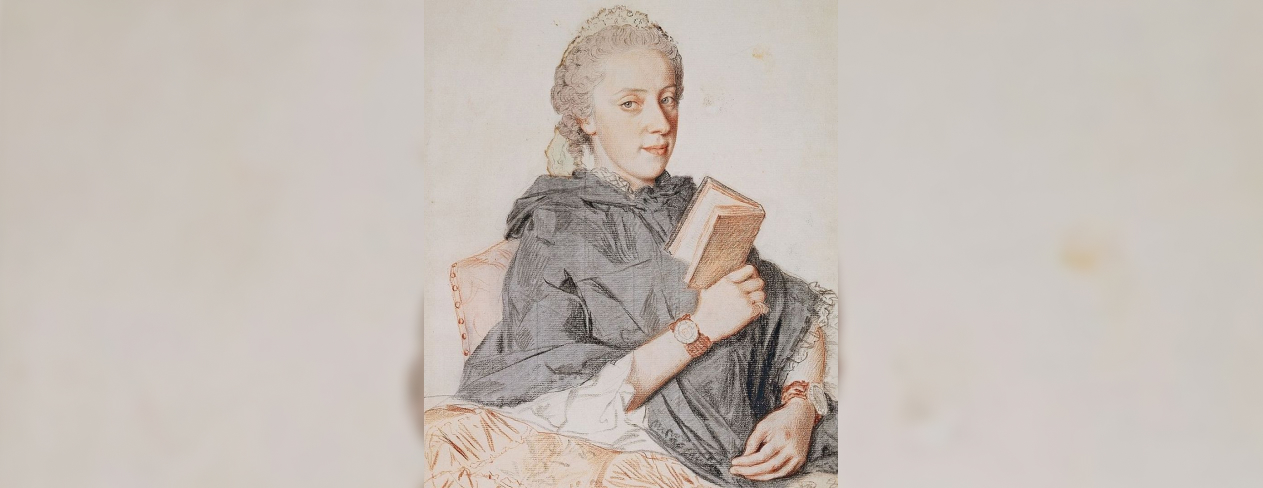
Let me be honest — this chapter reflects my own professional hesitations. As an experienced researcher, my first demand of myself is that any traits or actions I attribute to my characters must be historically relevant and psychologically credible. All my own questions here were projected onto my protagonist: Why would an imperial princess involve herself in something as prosaic and far removed from her world as a pragmatic investigation? How could I create a reasonable and believable foundation for her decisions, and weave the seemingly random events into a coherent arc in which the case and its investigator form a credible interplay — all without violating historical reality?
To establish Marianne’s central motive, I had to consider everything known about her personality, character, and habits of mind: her thoughtfulness; her newly attained maturity; her level of comprehension unusual for her age; her acknowledgment of her inner loneliness and the fact that her aspirations would remain largely unfathomable to others; and her sense that hard work in solitude was her only refuge.
Frankly, it was one of the hardest chapters to compose — but it had to be done, even if it leaves the reader indifferent. Symbolically, as the outcome of her contemplation, Marianne equips herself with the blue notebook at the end of this chapter. She has made her choice.
Access to the Metatext via placing an order for an augmented product. See Terms of Use
We use cookies to ensure that we give you the best experience on our website. If you continue to use this site we will assume that you are happy with it.