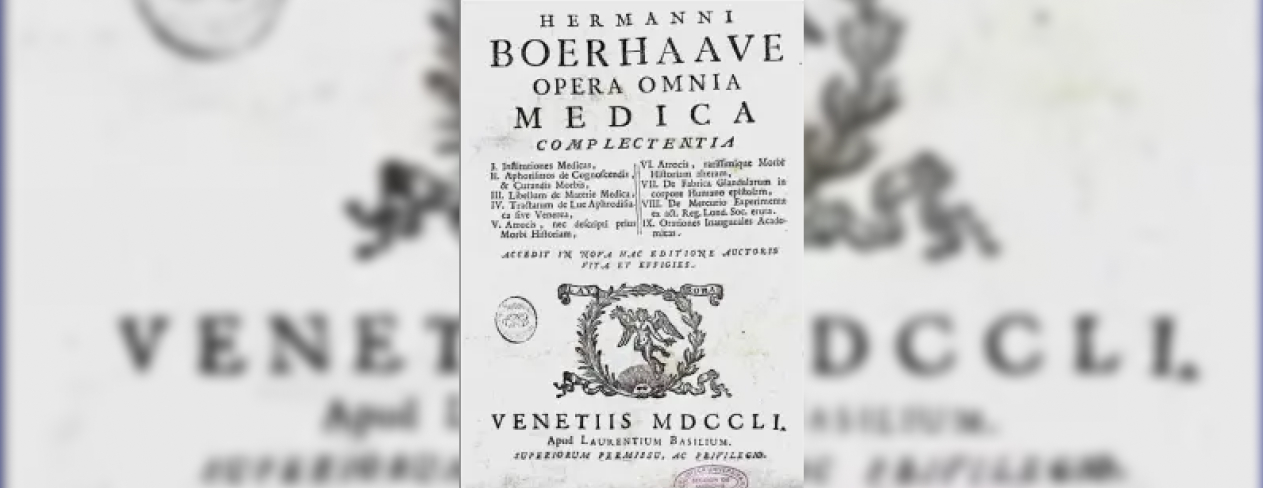
Doctor van Swieten’s range of expertise far transcended his specific medical field. Among his many activities, he reorganised public health care and education, headed the Imperial Library, and relaxed the censorship rules. That is why Archduchess Marianne gladly engages in a long, satisfying conversation with him about the nature and mechanics of superstition.
Since the 1750s, the Empress had initiated reform policies aimed at dismantling the monopoly the Jesuits held over many areas of life. A particular focus of these reforms was the fight against the rampant superstition and ignorance among peasants — both side effects of the religious fanaticism and intolerance fostered by the Jesuits since the Counter-Reformation. On an official level, superstitious practices were considered to undermine orthodox religion, or even the authority of the monarchy itself, and to endanger general morality. Van Swieten played a key role here: he inspected rural areas, reported on local conditions, and recommended science-based measures to improve the situation. Many of his ideas were enacted as laws. No wonder, then, that he is said to have been the prototype of Van Helsing, the vampire hunter in Bram Stoker’s Dracula.
In this chapter, Marianne experiences something truly rare – a sense of intellectual fellowship undisturbed by differences in social status. Needless to say, I thoroughly enjoyed writing this episode!
Access to the Metatext via placing an order for an augmented product. See Terms of Use
We use cookies to ensure that we give you the best experience on our website. If you continue to use this site we will assume that you are happy with it.